
-
 April 2, 2025
-
0 Comments
-
By
satyaitsolution


 By
By UPI Transactions in 2025: Major Changes Starting April 1
UPI Transactions in 2025: A Deep Dive into the Major Changes Starting April 1
India’s Unified Payments Interface (UPI) has become a global benchmark for digital payments, blending speed, simplicity, and accessibility into a system that powers billions of transactions each month. From buying groceries to paying utility bills, UPI has woven itself into the fabric of daily life for over 500 million users. But with great scale comes great responsibility—and the need for constant evolution. Enter April 1, 2025: a pivotal date when the National Payments Corporation of India (NPCI) will roll out significant updates to the UPI framework. These changes promise to bolster security, curb fraud, and refine the user experience. Let’s unpack what’s happening, why it’s happening, and what it means for you.
The Big Picture: Why Change UPI Now?
UPI’s meteoric rise hasn’t been without challenges. As the platform grows, so do risks like fraudulent transactions, errors from outdated data, and privacy concerns. Inactive mobile numbers, reassigned SIMs, and lax consent practices have occasionally led to funds landing in the wrong hands or accounts being misused. The NPCI, the mastermind behind UPI, has been proactive in addressing these gaps. The updates effective April 1, 2025, aren’t just tweaks—they’re a strategic overhaul aimed at future-proofing UPI for India’s increasingly digital economy. Let’s break down the key changes one by one.
1. Deactivation of Inactive Mobile Numbers: A Fraud-Fighting Move
One of the headline changes is the deactivation of UPI IDs tied to inactive mobile numbers. If a number hasn’t been used for a prolonged period—typically a year or more—it’s out. This isn’t a random purge; it’s a calculated step to eliminate vulnerabilities.
Here’s the context: mobile numbers are the backbone of UPI authentication. When you switch numbers or let an old one lapse, that number might get reassigned to someone else by your telecom provider. If it’s still linked to your UPI account, the new owner could potentially access or misuse it. Even worse, scammers have exploited dormant numbers to siphon funds.
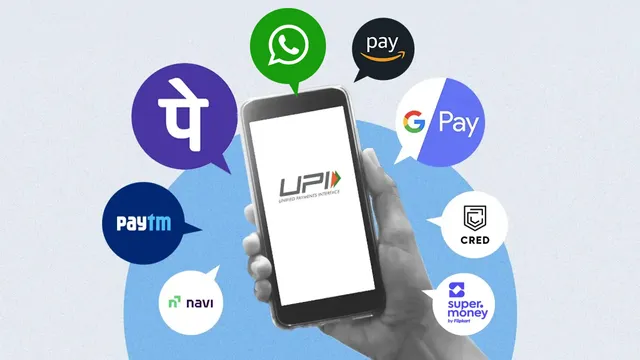
Starting April 1, 2025, banks and Payment Service Providers (PSPs)—think Google Pay, PhonePe, Paytm, and others—will use the Mobile Number Revocation List/Digital Intelligence Platform (MNRL/DIP) to identify and deactivate these inactive numbers. The process will be systematic, with weekly database updates to keep records current. Users will be notified before their UPI services are suspended, giving them a chance to update their details. This isn’t just about security; it’s about ensuring your money goes where you intend it to.
2. Explicit Consent for Number Seeding: Power Back to the User
Another game-changer is the shift in how mobile numbers are linked—or “seeded”—to UPI accounts. From April 1, 2025, you’ll need to explicitly opt-in to associate a number with your UPI profile. No more automatic linking, and definitely no consent buried in fine print during a transaction.
In the past, some PSPs might have seeded numbers without clear user approval, often as part of a seamless onboarding process. While convenient, this raised privacy concerns and left room for errors. Now, NPCI is flipping the script: consent must be obtained separately, outside the transaction flow. This puts you, the user, firmly in the driver’s seat. It’s a small change with big implications—more transparency, better control, and a stronger shield against unauthorized account changes.
3. Weekly Database Updates: Keeping UPI Current
Behind the scenes, the UPI ecosystem is getting a housekeeping upgrade. Banks and PSPs are now required to refresh their mobile number databases at least once a week. This ensures that inactive, reassigned, or outdated numbers are flagged and removed promptly.
Why does this matter? Imagine sending money to a friend’s old UPI ID, only to realize their number has been reassigned to a stranger. With weekly updates, such mix-ups will become far less common. It’s a proactive approach to accuracy, reducing the risk of errors and fraud. Plus, it keeps the system nimble—crucial for a platform handling millions of transactions daily.
4. Enhanced Fraud Prevention: A Safer UPI Ecosystem
At its core, these changes are about trust. Inactive numbers and lax consent practices have been weak links that fraudsters exploit. By deactivating dormant accounts and requiring explicit opt-ins, NPCI is tightening the screws on potential loopholes. Users will get advance warnings if their UPI services are at risk of suspension, giving them time to act. Meanwhile, the weekly sync-ups between banks, PSPs, and telecom data ensure the system stays ahead of bad actors. It’s not just about fixing problems—it’s about preventing them.
5. Compliance Countdown: The Road to April 1
None of this happens overnight. The NPCI has set a firm deadline of March 31, 2025, for all UPI ecosystem players—banks, PSPs, and third-party apps—to implement these changes. That means updating systems, refining processes, and testing everything to ensure a smooth rollout on April 1. PSPs are also required to report any hiccups or delays to NPCI monthly, adding a layer of accountability. For users, this behind-the-scenes work should translate to minimal disruption—if everyone plays their part.
What’s Not Changing?
Let’s clear up a few things. These updates don’t introduce new transaction fees for customers—UPI remains free for most everyday uses. They also don’t tie into other recent UPI enhancements, like the ₹5 lakh transaction limit for specific categories (e.g., tax payments or IPOs), which rolled out earlier. The April 1, 2025, changes are laser-focused on security and operational efficiency, not cost or limits.
How to Get Ready for April 1, 2025
The good news? You don’t need to be a tech wizard to prepare. Here’s your checklist:
- Check Your Number: Is your UPI-linked mobile number active and up-to-date? Log into your UPI app or check with your bank to confirm.
- Update if Necessary: If you’ve switched numbers or suspect your old one is inactive, update it now. Contact your bank or PSP to link your current number.
- Stay Informed: Keep an eye on notifications from your UPI app or bank. They’ll likely alert you if your account needs attention before the deadline.
- Act Early: Don’t wait until April 1. Sorting this out ahead of time avoids last-minute stress.
If you’re unsure, a quick call to your bank’s customer service or a peek at your UPI app’s settings should clarify things. Proactive steps now mean uninterrupted payments later.
Why This Matters for India’s Digital Future
UPI isn’t just a payment tool—it’s a cornerstone of India’s digital economy. With transactions hitting record highs (over 15 billion in some months), its reliability and security are non-negotiable. The April 1, 2025, changes reflect NPCI’s commitment to keeping UPI robust as it scales. By tackling inactive numbers, prioritizing consent, and streamlining data, these updates ensure UPI remains a trusted lifeline for millions—whether you’re a street vendor accepting payments or a professional transferring funds.
The Bigger Picture: UPI’s Evolution
This isn’t the first time UPI has adapted, and it won’t be the last. From introducing UPI Lite for small transactions to expanding limits for big-ticket payments, the platform has consistently evolved to meet user needs. The April 1 changes are another chapter in that story—a blend of innovation and caution that keeps UPI ahead of the curve. As India marches toward a cashless future, these updates lay the groundwork for a system that’s not just fast and convenient, but also safe and dependable.